How acupuncture and Chinese herbal medicine can help you reconnect with yourself and reality, lifting symptoms of PMS and PMDD
By Belinda Schembri
Ahpra registered acupuncturist and Chinese herbal medicine practitioner
For centuries, women’s experience of premenstrual symptoms has been minimised and made the punchline of a joke. The cultural narrative has long painted women’s emotional and physical changes before their period as a little moodiness, irrational behaviour, and crying into a tub of ice-cream. But for many women, especially those who suffer from Premenstrual Dysphoric Disorder (PMDD), what happens in the days or weeks before their period is anything but trivial. It is debilitating, frightening, and deeply disruptive to their lives.
Each month, it arrives like a dark cloud- sudden, and all-encompassing. When my period begins, it lifts, and for a moment, there is relief. But that relief is always tinged with the quiet fear of knowing it will return. I find it hard to ever truly settle into myself. There is always a part of me waiting for the next wave.
What is Pre Menstrual Dysphoric Disorder and how does it differ from PMS?
While it is common for women to experience Pre Menstrual Syndrome (PMS), where mild to moderate physical, emotional and mental changes occur in the week leading up to their period, PMDD is considered a serious health condition that causes emotional and psychological symptoms and distress in the one to two weeks before the period.
Introduced as a diagnosable disorder in the Diagnostic and Statistical Manual of Mental Disorders (DSM-5) in 2013, symptoms of PMDD are like PMS, however, they are typically more intense and require additional support to minimise their effect on daily functioning and quality of life.
Symptoms of PMS and PMDD include
• Irritability, moodiness, impulsiveness, anxiety and/or feeling of a loss of control
• Depressed or lower mood
• Difficulty concentrating, forgetfulness and sense of being overwhelmed
• Bloating, swollen and tender breasts, and body aches
• Insomnia and sleep disturbances
Symptoms of PMDD can also include:
• Decreased interest in activities
• Feelings of hopelessness, fear and debilitation
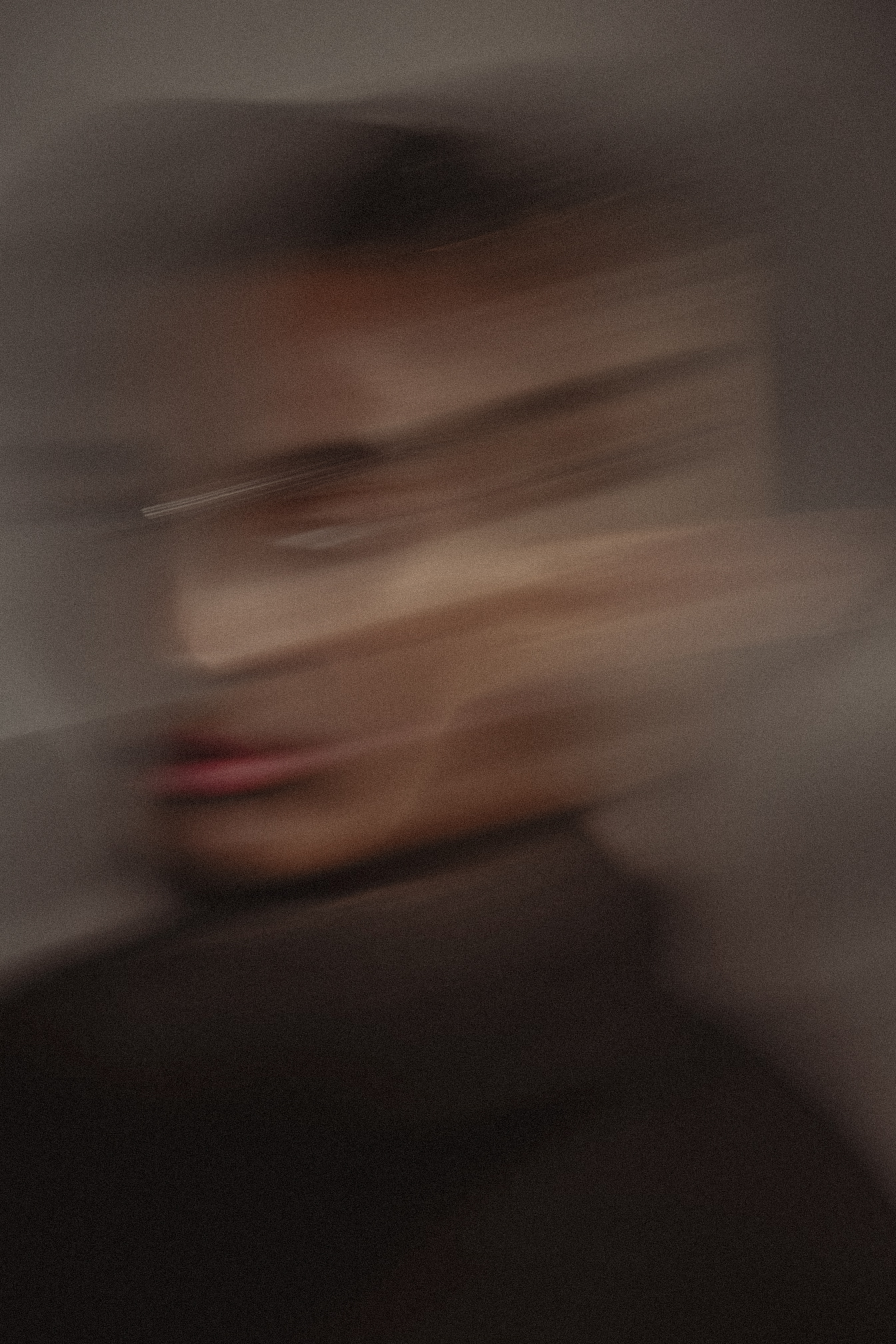
• Disconnection from reality or your sense of self
• Suicidal ideation
A formal diagnosis of PMDD requires that symptoms cause significant distress or impairment across various areas of life, and that another medical or drug-related cause has been excluded.
What causes PMDD and what are the treatment options?
While the exact cause of PMDD is not yet known, research suggests it may be due to heightened sensitivity to the normal decline of progesterone in the luteal phase of the menstrual cycle, and its subsequent influence on GABA neurotransmitters, the brain’s primary calming system. Fluctuations in serotonin, which regulates mood, are also thought to play a role.
Studies suggest that you are more likely to experience PMDD if a close family member has it, while stress, poor sleep, unhealthy eating, consumption of alcohol, and smoking all contribute to an increased risk, a view shared in Chinese Medicine.
Having a pre-existing anxiety disorder, or experiencing traumatic events in the past, can also increase the possibility of PMDD, as well as a diagnosis of Attention Deficit Hyperactivity Disorder (ADHD) which may make you more sensitive to hormonal rhythms and more vulnerable to PMDD symptoms.
Western medicine treatment options include:
• The oral contraceptive pill or GnRH agonists, which suppress oestrogen production and menstruation
• Antidepressants (SSRIs), taken continuously or only in the luteal phase
• Cognitive Behavioural Therapy (CBT)
These approaches can be helpful, but they do not work for everyone, carry their own side effects, or do not address the root cause, which is precisely where Chinese medicine offers a different perspective and pathway to healing.
How Chinese medicine understands premenstrual disorders such as PMS and PMDD
In Chinese Medicine, PMS and PMDD is considered a premenstrual disharmony in Yin and Yang (including Qi and Blood) and/or stagnation of Qi or Blood, that disrupts a person’s sense of self and their ability to function.
Practitioners seek to identify the underlying pattern of imbalance that gives rise to the presentation and to treat the root dysfunction in the channels and organ energetics that govern the menstrual cycle, particularly those which are pivotal in the luteal phase, such as the Liver, Spleen, Kidney, and Heart energetics.
The Liver energetic is primarily implicated in PMDD because of its pivotal role in the menstrual cycle. In Chinese Medicine, the Liver energetic stores Blood, governs the smooth flow of Qi throughout the body, and regulates the emotions, particularly the capacity to move through frustration, stress and change without becoming stuck. When Liver Qi stagnates, emotional volatility, irritability, depression, anxiety, sleep disturbances and swollen and tender breasts can arise.
Crucially, the Liver energetics’ spreading function is most active in the premenstrual phase as it moves Qi and Blood downward in preparation for menstruation. Any underlying imbalance is therefore amplified in the days before the period, explaining why symptoms appear cyclically and disappear once bleeding begins.
When Qi and Blood gather before menstruation they can become congested, resulting in Qi rebelling upward and disturbing the Heart energetic. In Chinese medicine the Heart energetic houses the Shen (the spirit or mind) which is responsible for our consciousness, emotional stability and the sense of being present and grounded in oneself. An uprising of Qi, or disturbance in its’ own resource of Qi and/or Blood, can result in the Shen being unsettled, manifesting as tearfulness, agitation, racing thoughts, poor sleep, or the frightening sense of disconnection from reality that characterises severe PMDD.
Finally, the Spleen and Kidney energetics are frequently involved as their underlying deficiency contribute to feelings of fatigue, digestive complaints, worry, anxiety, insomnia, night sweats and impaired fluid metabolism, all which can feature prominently in the luteal phase.
Women can present with disruption in one energetic, or across multiple systems, which is why at the heart of Chinese medicine is individualised diagnosis and tailored treatments, to ensure your unique presentation is considered and addressed.
How acupuncture and Chinese herbal medicine can help
Both acupuncture and herbal medicine can help to ensure the smooth flow of Qi and Blood and harmony of Yin and Yang, supporting the organ energetics and channels involved in the menstrual cycle.
While more research is required, research supports that acupuncture and herbal may influence PMS and PMDD symptoms through the modulation of immune factors and the nervous system, helping to manage sensitivity to normal physiological changes in the body. Both can be used alongside along treatments such as medications and therapy.
The number of acupuncture sessions required, and usage of herbal medicine will depend on the individualised pattern diagnosis and unique presentation. Ideally, treatment is required over several cycles to achieve an efficient and sustained result. While some may require an ongoing treatment plan to ensure symptoms are managed long term.
If you are suffering from premenstrual symptoms and would like some support you can book with me here.
If you would like to discuss whether Chinese medicine can help you before booking an appointment or what you can expect from your first appointment, you can reach out to me via email (details below) for a no-obligation chat.
How you can support yourself if you are experiencing PMS or PMDD
Track your cycle
One of the most empowering steps you can take, for yourself and for any practitioner supporting you, is to keep a record of your symptoms across your cycle. Note how you feel each day, what physical changes you notice, and when your period starts and stops. This information is invaluable for diagnosis, and for building your own understanding of your rhythms. It also helps knowing that the dark cloud has a time limit, that it will lift, and can offer some measure of steadiness in the midst of it.
For those who also suffer from ADHD, it is helpful to track any fluctuations in your ADHD symptoms alongside your menstrual cycle, providing clarity and further insight into how best to support yourself.
Dietary and lifestyle changes
A healthy lifestyle and diet may help reduce symptoms and address the root physiological dysfunctions, such as Qi stagnation or imbalances in Yin and Yang, that cause the symptoms in the first place.
• Reduce stress, where possible, through relaxation techniques, regular physical activity or meditation
• Be true to yourself and your feelings, finding healthy ways to express your emotions
• Prioritise sleep and rest, going to bed before 11pm
• Incorporate dark leafy greens, protein, berries and beans into your diet
• Eat regularly and never skip breakfast
• Avoid excessive fried, oily or sweet foods
• Reduce caffeine and alcohol intake and avoid smoking or vaping
And while there is some research that suggests vitamin and mineral deficiencies could play a role in PMS and PMDD, it is insufficient to make concrete recommendations here. Working with a naturopath alongside acupuncture and Chinese Medicine could be of benefit.
When we are aligned with the natural state of our bodies, including the ebb and flow of the menstrual cycle, our Qi can move freely and a healthy mind and body ensues.
Working with your body’s calendar
Rather than forcing yourself to conform to a standard calendar, consider organising tasks in accordance with the phases of your cycle. Tasks that require a great deal of thinking, concentration, or creativity are often better suited to the follicular phase (after menstruation, before ovulation), when energy and cognitive clarity tend to be higher. More routine or lower-demand tasks can be assigned to the luteal phase, when your reserves may be reduced.
This is not about limiting yourself, it is about working with your body’s natural rhythms rather than against them.
Rest and acceptance
With self-management comes the possibility of acceptance. Rather than denying the impact that PMS or PMDD has on your life, or powering through at your own expense, you can begin to build rest into your days as a genuine act of self-love. This might mean scheduling breaks, closing your eyes for thirty minutes when needed, or simply acknowledging that your capacity will ebb and flow, and that this is not a failure.
Many people find that when they stop fighting their cycle and begin to move with it, something shifts. The condition does not disappear, but the relationship to it changes.
A note on seeking support
If you recognise yourself in what you have read here, please know that your experience is real, it is recognised, and there are practitioners who can help.
Chinese medicine offers a genuine complementary approach, one that does not simply suppress symptoms but seeks to understand the unique pattern that gives rise to them. With consistent treatment over several cycles, many patients experience significant and lasting improvement.
If you are based in Melbourne/Naarm, particularly the areas surrounding North Fitzroy, and would like to explore how acupuncture and Chinese medicine could help you, I’d love to hear from you. You can make a booking with me here for support, or feel free to reach out via email with any questions.
You deserve to feel at home in your own body — at any phase of your menstrual cycle
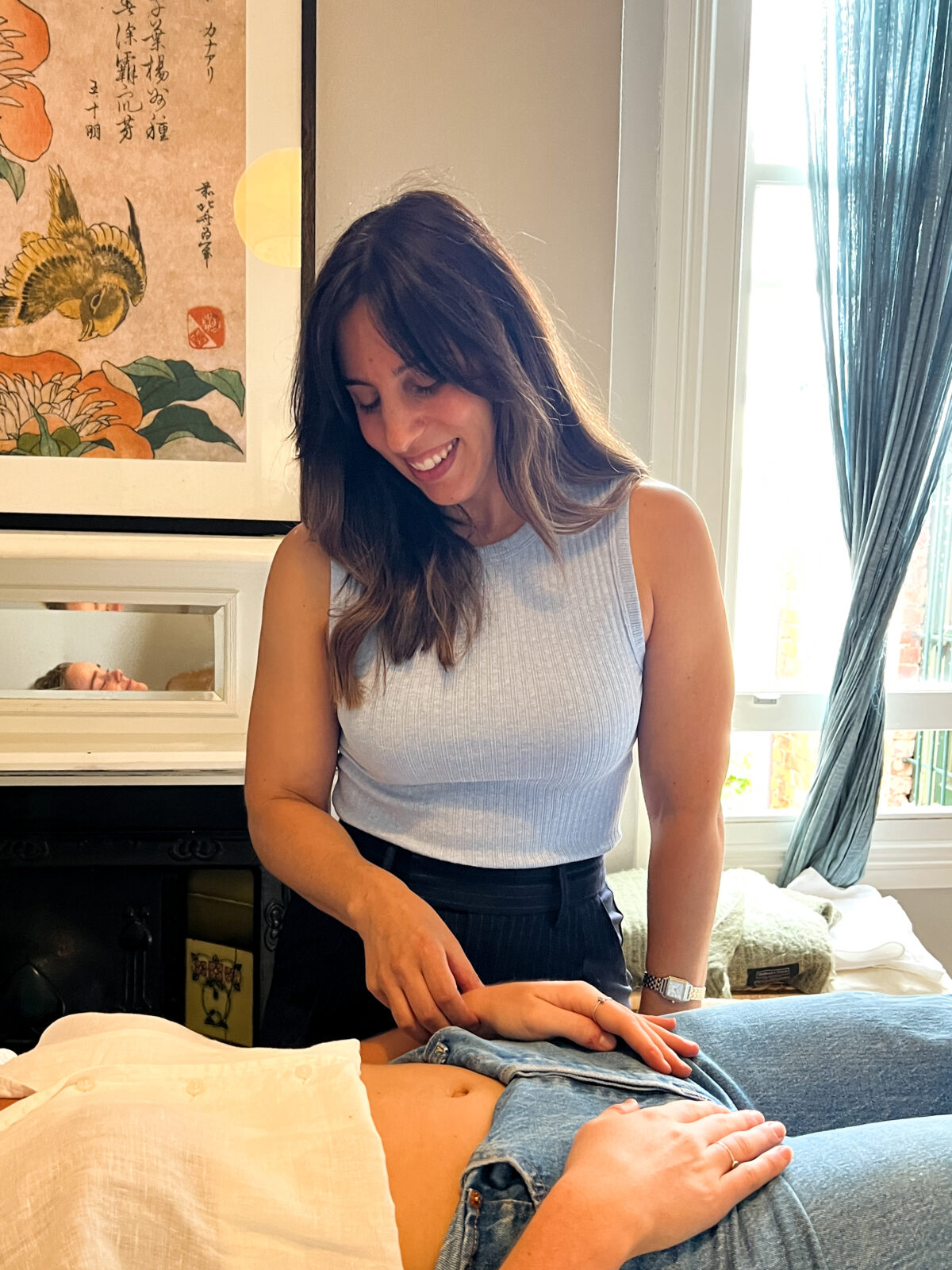
Belinda Schembri
Acupuncturist and Chinese Medicine Practitioner
Belinda Schembri is based in Melbourne, Victoria.
She is passionate about women experiencing health in every phase of their cycle, their life, their healing, with a special interest in menstrual health and fertility.
Please find Belinda’s availability here
Contact Belinda via email here
Follow on Instagram: @lunaacupuncture.au