The Top 5 Best Foods to Support Your Body During Perimenopause and Why
By Remi Odisho
Perimenopause is a hormonal transition that can begin years before menopause itself — often quietly, and frequently without clear guidance. Many women notice changes in mood, energy, sleep, stress tolerance, digestion, weight distribution, and cycle regularity, yet are told “everything looks normal.”
From an integrative perspective, nutrition is one of the most powerful tools we have to support hormonal balance, nervous system regulation, gut health, and stress resilience during this phase. Certain foods can directly influence how your body copes with fluctuating oestrogen, rising cortisol, and increased inflammatory load.
Below are five of the most evidence-supported food groups to prioritise during perimenopause, and why they matter physiologically.
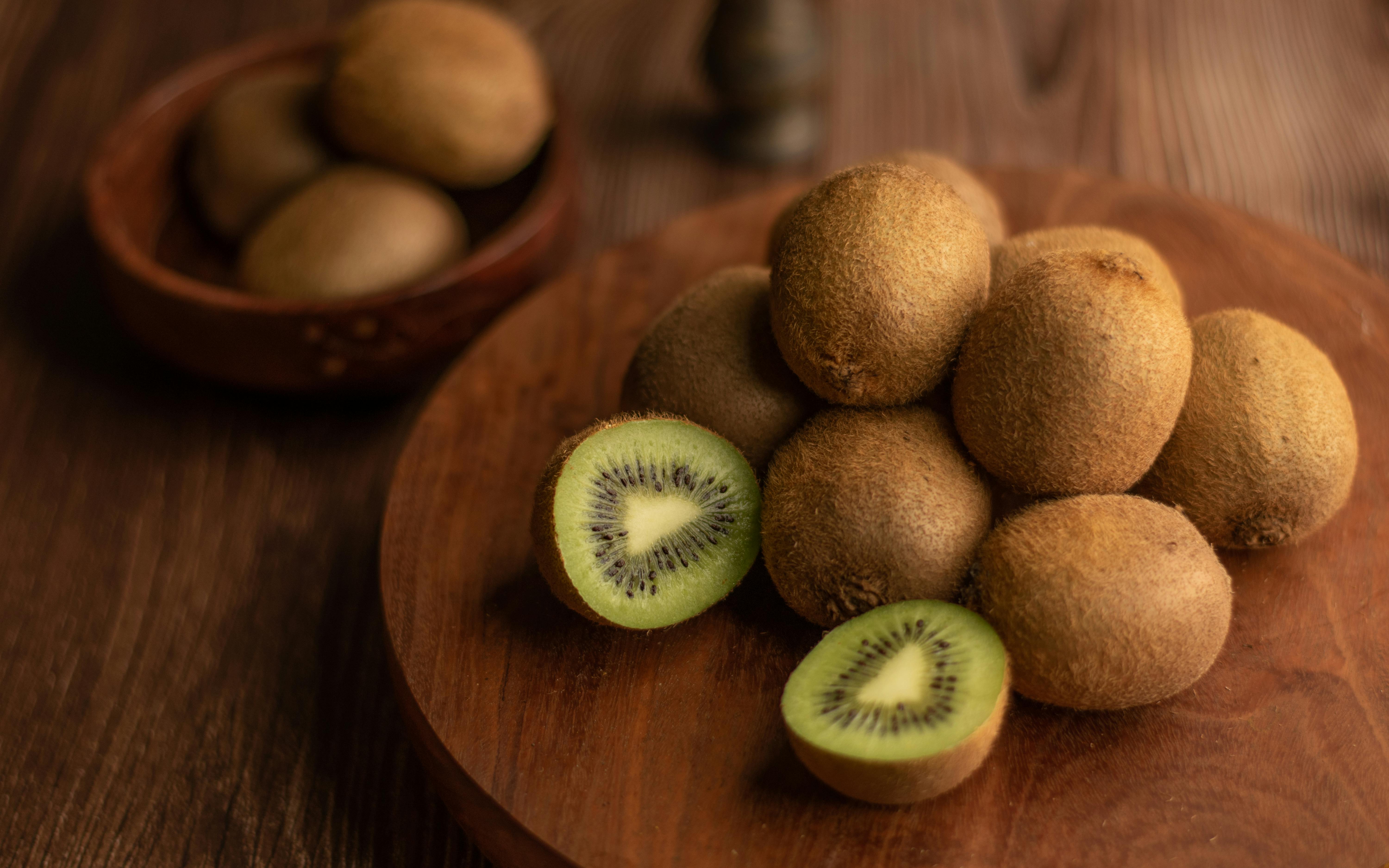
- Vitamin C for Adrenal & Stress Support
During perimenopause, the ovaries gradually reduce oestrogen production, placing greater demand on the adrenal glands to contribute to hormone balance. At the same time, many women experience heightened stress reactivity, anxiety, fatigue, and sleep disruption.
Vitamin C is a critical nutrient for adrenal hormone production, cortisol regulation, and nervous system resilience. The adrenal glands contain some of the highest concentrations of vitamin C in the body, and requirements increase significantly during periods of chronic stress.
Benefits during perimenopause:
- Supports adrenal function and cortisol regulation
- Helps buffer the physiological stress response
- Contributes to immune resilience and collagen production
- May support mood stability and reduce fatigue
Best food sources:
- Citrus fruits (oranges, mandarins, grapefruit)
- Kiwi fruit
- Capsicum (especially red capsicum)
- Berries
- Broccoli and leafy greens
Including vitamin C–rich foods daily can help support stress tolerance and reduce the “wired but tired” feeling common in perimenopause.
- Magnesium-Rich Foods for Nervous System Calm & Sleep
Magnesium is one of the most commonly depleted minerals during perimenopause — and one of the most impactful. It plays a role in over 300 enzymatic reactions, many of which relate directly to stress regulation, muscle relaxation, sleep quality, and mood stability.
Fluctuating oestrogen levels increase magnesium requirements, while chronic stress accelerates magnesium loss. Low magnesium status is associated with anxiety, poor sleep, muscle tension, headaches, and increased sensitivity to stress.
Benefits during perimenopause:
- Supports nervous system regulation and relaxation
- Helps reduce anxiety and irritability
- Improves sleep quality
- Supports muscle and joint health
Best food sources:
- Dark leafy greens (spinach, silverbeet)
- Pumpkin seeds and sunflower seeds
- Almonds and cashews
- Whole grains
- Cacao
Food-based magnesium provides a steady, gentle input that complements other nervous system support strategies.
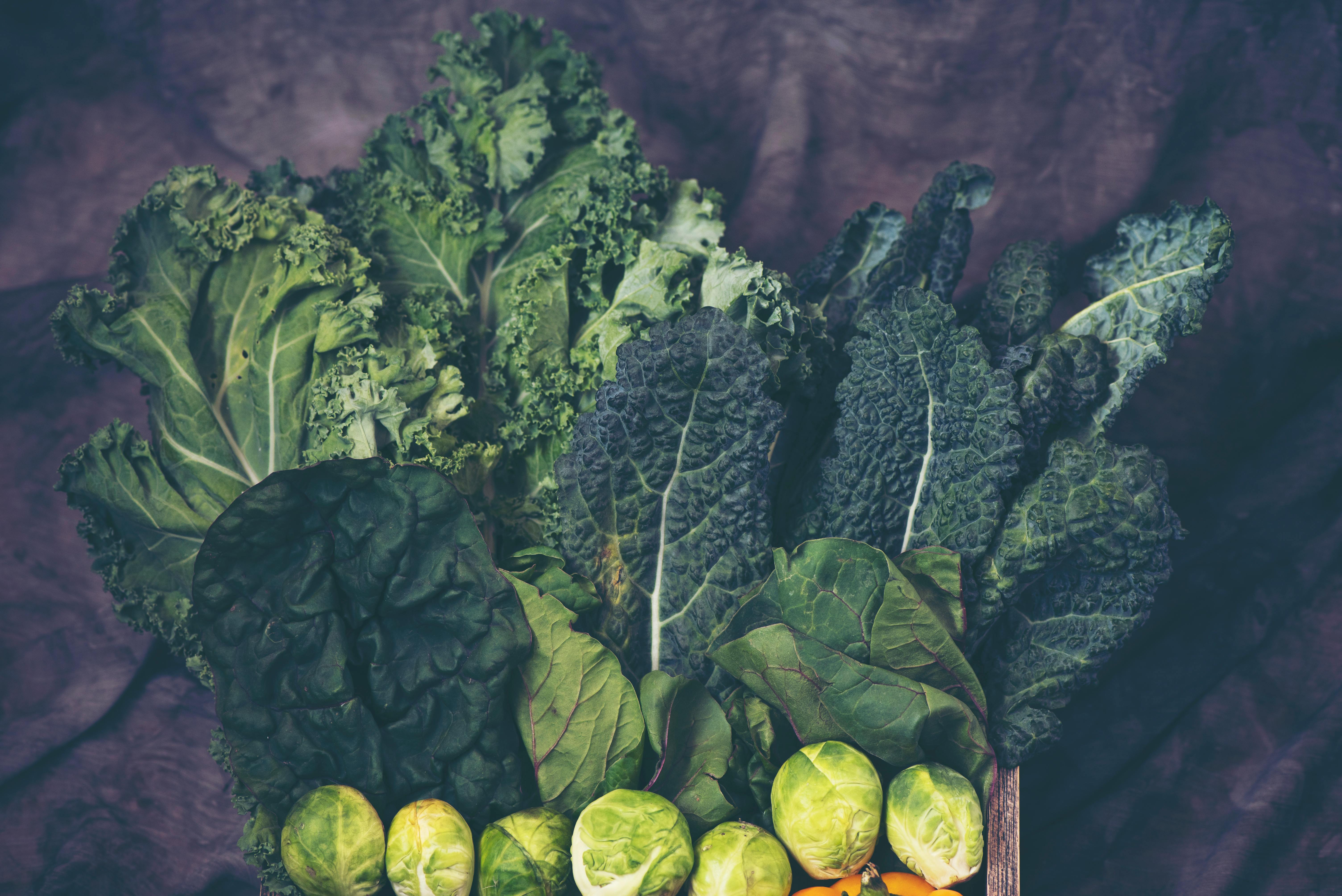
- Phyto-Oestrogenic Foods for Hormonal Modulation
Phyto-oestrogens are naturally occurring plant compounds that can gently interact with oestrogen receptors in the body. During perimenopause — when oestrogen levels fluctuate unpredictably — phyto-oestrogens can have a modulating effect, helping to soften hormonal highs and lows rather than dramatically increasing oestrogen activity.
Research suggests phyto-oestrogenic foods may help with vasomotor symptoms (such as hot flushes), mood stability, and overall hormonal balance in some women.
Benefits during perimenopause:
- Gently supports oestrogen balance
- May reduce hot flushes and night sweats
- Supports bone and cardiovascular health
- Offers anti-inflammatory and antioxidant effects
Best food sources:
- Soy foods (tofu, tempeh, miso, edamame)
- Flaxseeds (linseeds)
- Chickpeas and lentils
- Whole grains
The goal is regular inclusion, not high-dose supplementation, unless clinically indicated.
- Prebiotic & Probiotic Foods for Gut–Hormone Balance
The gut plays a crucial role in hormone metabolism via the estrobolome — a collection of gut bacteria involved in oestrogen processing and elimination. During perimenopause, disruptions to gut health, or prior gut issues, can worsen oestrogen dominance, inflammation, bloating, and mood symptoms.
Supporting the gut with both prebiotic fibres (which feed beneficial bacteria) and probiotic foods (which introduce beneficial strains) is essential for hormone clearance and overall wellbeing.
Benefits during perimenopause:
- Supports healthy oestrogen metabolism
- Reduces bloating and digestive discomfort
- Improves immune and inflammatory balance
- Positively influences mood via the gut–brain axis
Prebiotic foods:
- Onions, garlic, leeks
- Asparagus
- Oats and other whole grains
- Green bananas, apples
Probiotic foods:
- Yoghurt and kefir
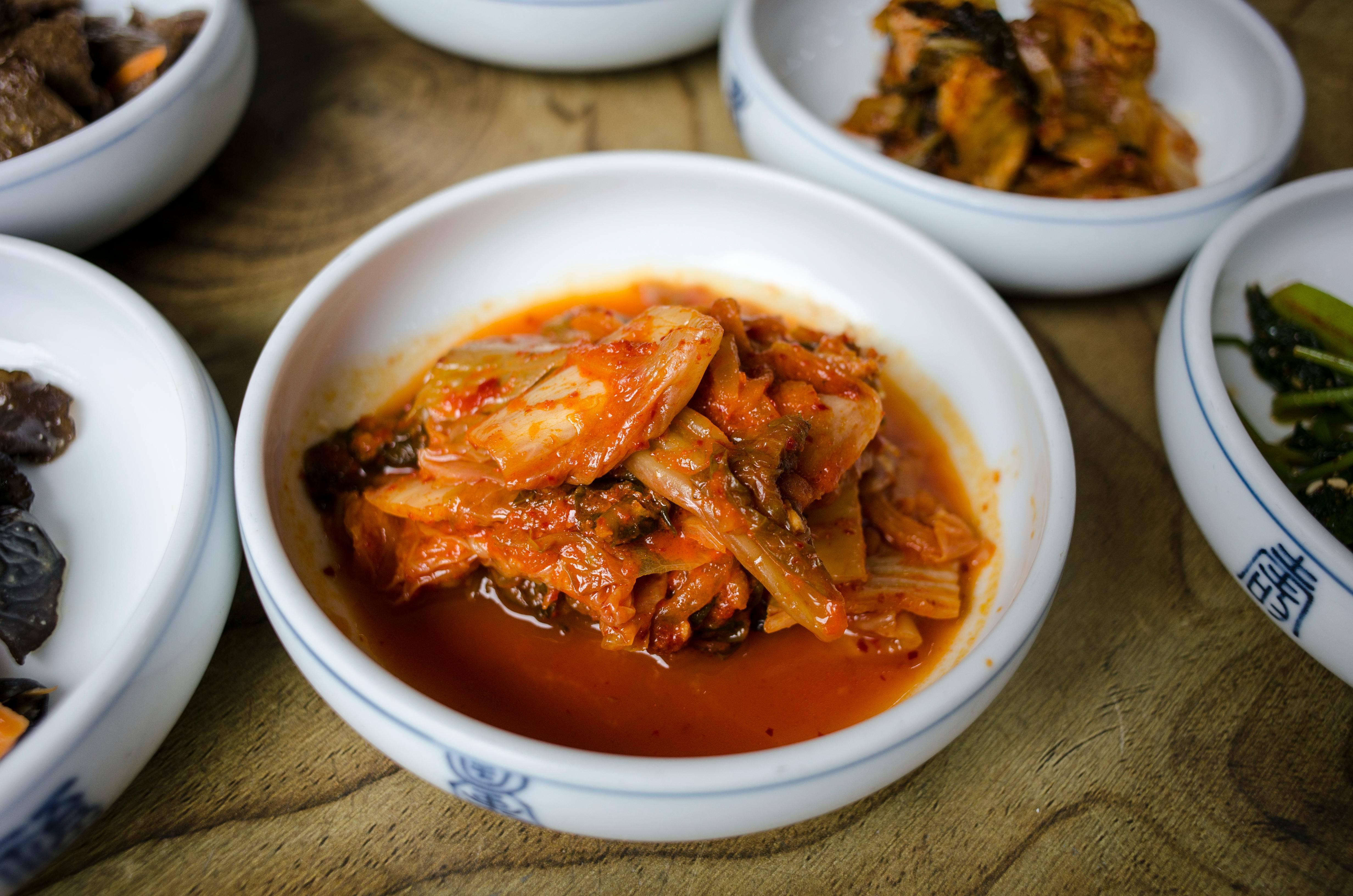
- Sauerkraut and kimchi
- Miso
- Fermented vegetables
A well-supported gut can significantly reduce symptom burden during hormonal transition.
- Polyunsaturated Fats (PUFA) for Inflammation & Brain Health
Perimenopause is often accompanied by increased systemic inflammation, changes in lipid metabolism, and heightened cardiovascular risk. Polyunsaturated fats — particularly omega-3 fatty acids — play a key role in inflammation regulation, brain function, and hormone signalling.
These fats are essential for cell membrane integrity and neurotransmitter balance, making them especially important for mood, cognition, and joint health. Additionally, PUFAs play complex roles in hormone regulation, specifically progesterone, in which some studies indicate that diets rich in healthy fats can enhance progesterone levels.
Benefits during perimenopause:
- Reduces inflammation and joint pain
- Supports brain health and mood regulation
- Promotes cardiovascular protection
- Supports hormone receptor sensitivity
Best food sources:
- Oily fish (salmon, sardines, mackerel)
- Walnuts, Brazil nuts
- Chia seeds and flaxseeds
- Hemp seeds
Balancing fats — not avoiding them — is critical during this life stage.
Supporting Perimenopause Is About More Than “Eating Better”
Perimenopause is not a failure of the body — it’s a physiological transition that requires different inputs. Targeted nutrition can significantly influence how supported, resilient, and balanced you feel during this phase.
That said, food is only one piece of the picture. Stress load, sleep, gut health, nervous system regulation, and personalised hormonal support all matter.
Ready for Personalised Support?
If you’re experiencing symptoms of perimenopause — whether you’re just starting to notice changes or have been navigating this phase for some time — individualised care can make a meaningful difference.
Book a Consultation to receive personalised nutrition, lifestyle, and integrative support tailored to your body and symptoms.

By Remi Odisho
Naturopath & Acupuncturist